Production

lettuceart-08Producing

Healthy Products, Grown with Purpose
At Alphagreen, we firmly believe that success in vegetable production greatly depends on a sound plant. Major factors that should be carefully taken into consideration during the planning stage of the farming process are: site selection, water quality, variety selection, as well as market demands.

Site Selection

Carefully selecting the right location for optimal production.

Water & Variety Quality

Ensuring quality water and selecting the right vegetable varieties.

Market Demands

Aligning production with customer needs and market requirements.

Production
lettuceart-08Our Products Approach

The Best Production Practices
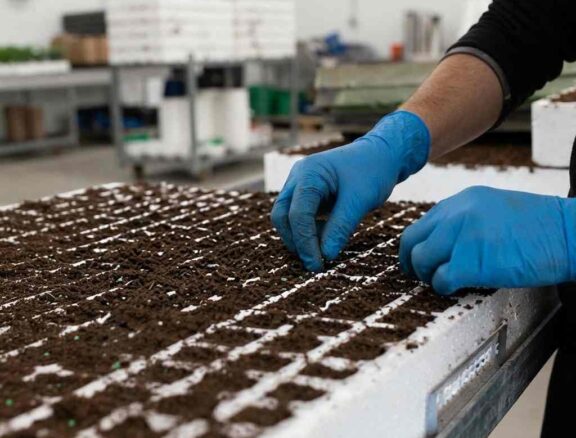
At Alphagreen, we carefully manage every stage of production to ensure healthy crops, consistent quality, and responsible resource use. From selecting the right cultivar and preparing the soil to irrigation, crop protection, harvesting, and distribution, our practices are designed to deliver fresh, safe, and high-quality vegetables.

lettuceart-08Our Production Process

Operations & Procedures

From sowing and nursery monitoring to harvesting and hygiene, every operation at Alphagreen follows carefully established procedures to maintain product quality, safety, and freshness. Our team continuously monitors each stage to ensure that every crop is handled with care from the field to the final destination.

Sowing

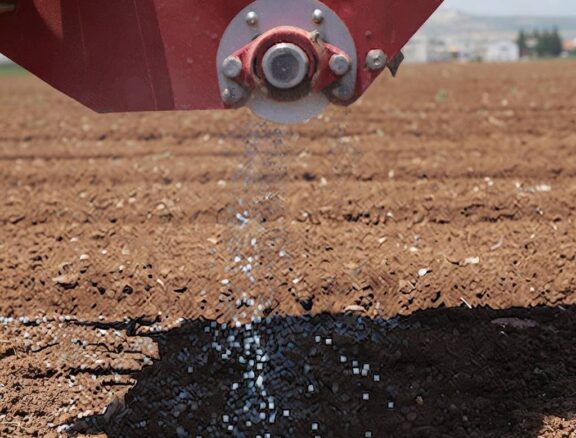
At Alphagreen, operations and procedures are carried out with utmost care and according to the highest standards. The Sowing procedure is all about the operation of the sowing machine and the ability of the technical assistant to keep track of the stock of materials.
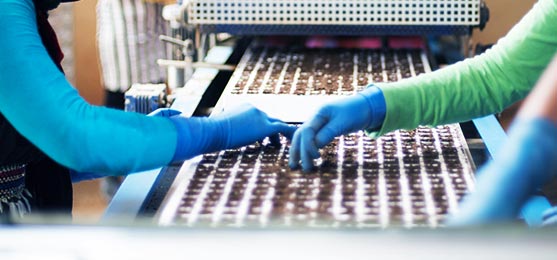
At Alphagreen, operations and procedures are carried out with utmost care and according to the highest standards. The Sowing procedure is all about the operation of the sowing machine and the ability of the technical assistant to keep track of the stock of materials.
Nursery Monitoring

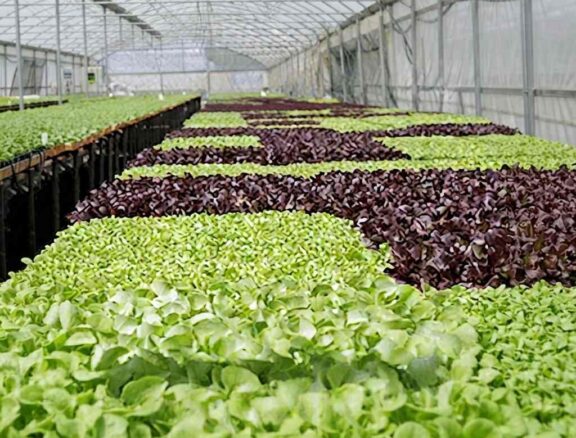
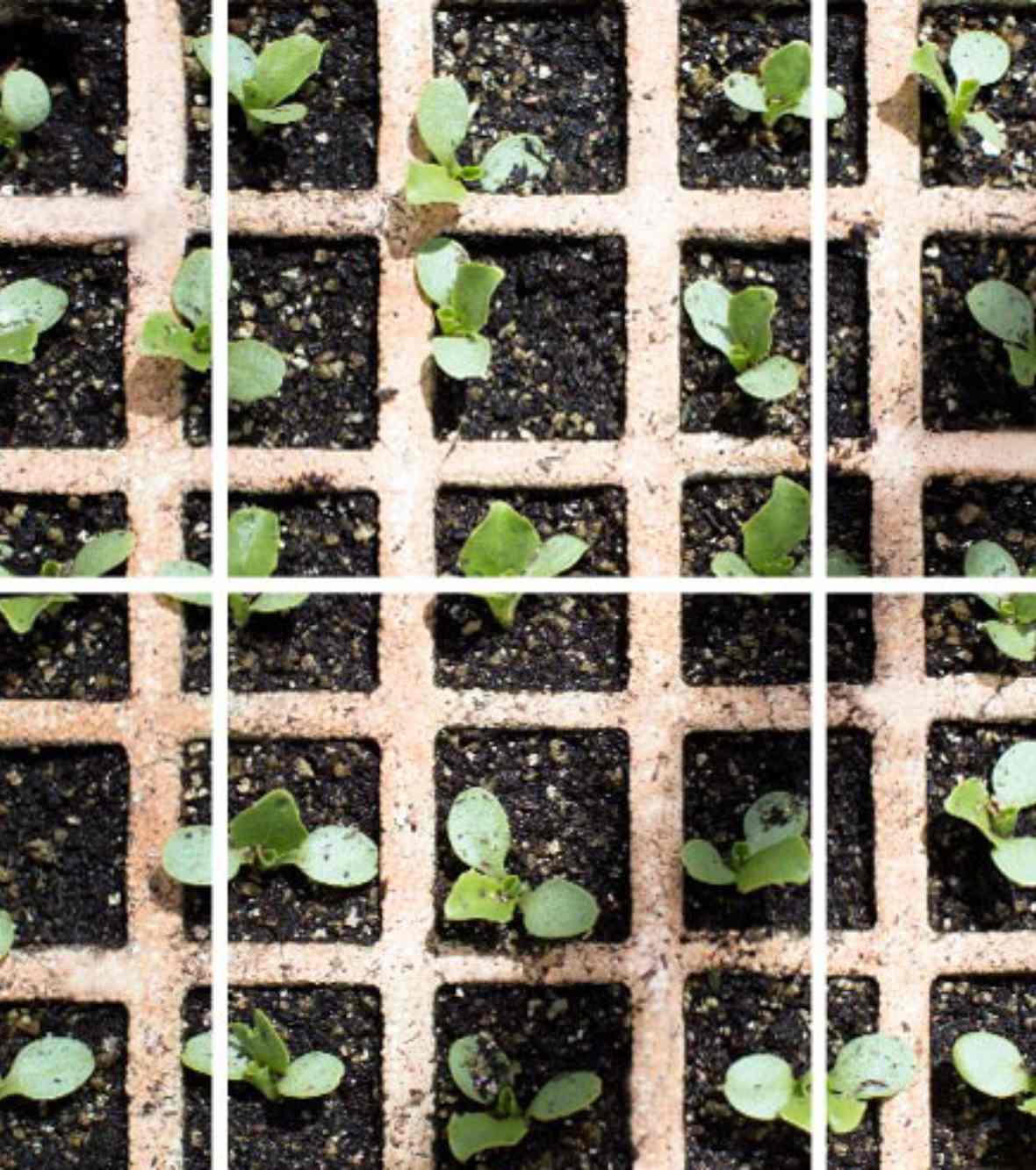
Nursery Monitoring is considered to be a very crucial stage as it involves the initial growth of the crops. The results and outcomes from monitoring the nurseries indicate the required actions to improve or sustain the quality and safety of the crops. This procedure outlines what needs to be examined during the inspection of the nursery, taking into consideration the IPM (Integrated Pest Management) and the "Economic Threshold".
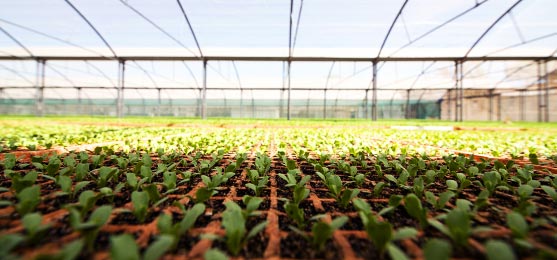
Nursery Monitoring is considered to be a very crucial stage as it involves the initial growth of the crops. The results and outcomes from monitoring the nurseries indicate the required actions to improve or sustain the quality and safety of the crops. This procedure outlines what needs to be examined during the inspection of the nursery, taking into consideration the IPM (Integrated Pest Management) and the "Economic Threshold".
Land Preparation

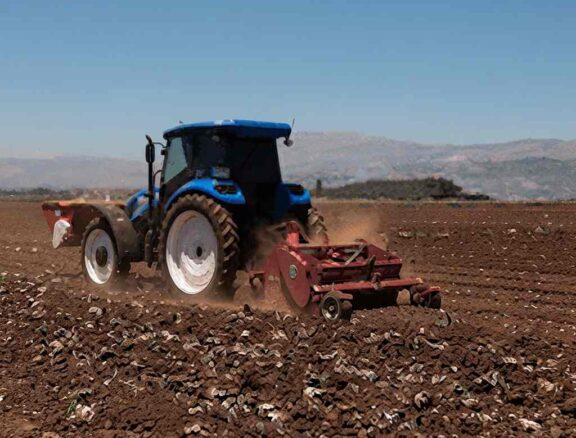
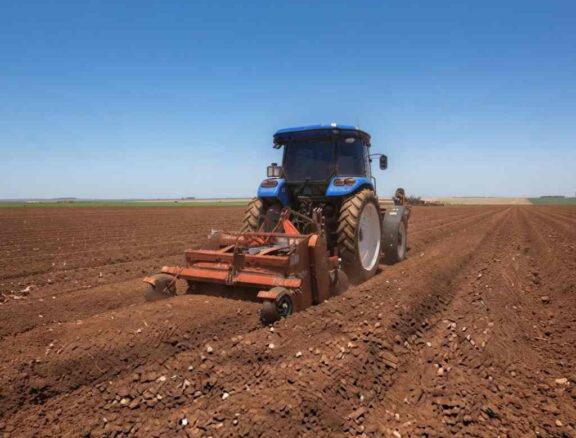
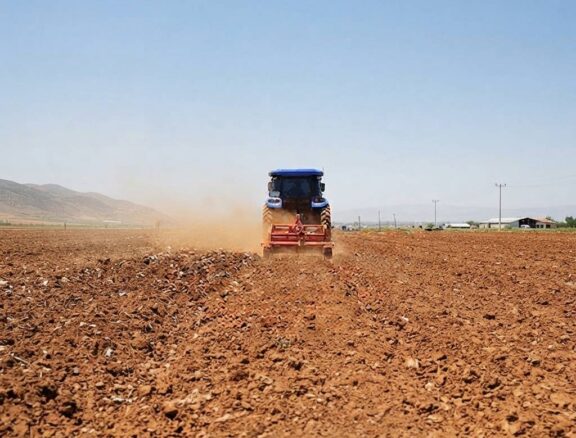
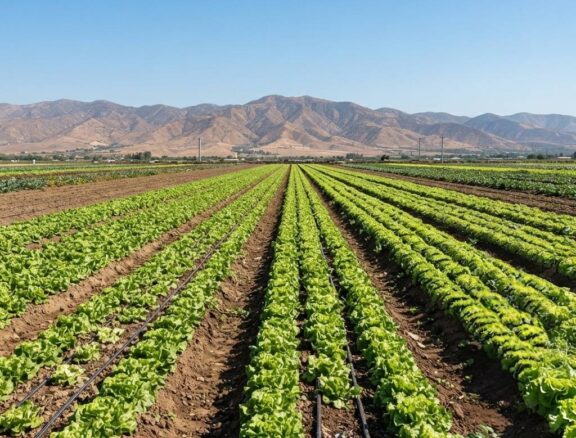
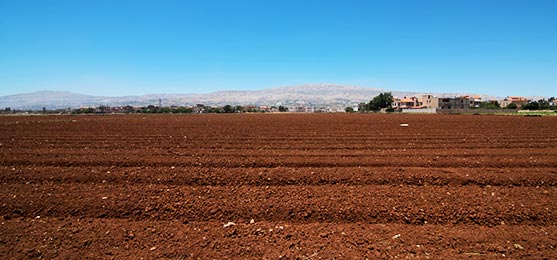
The Land Preparation Procedure outlines the requirements when preparing a land for farming. Only after dividing the land into plots and sectors, the Farm Operations Manager makes sure that the land is cleared, cleaned, plowed, leveled, drains are placed, pipelines for drip irrigation are erected, and sanitary facility is constructed and that the area is fenced when applicable.
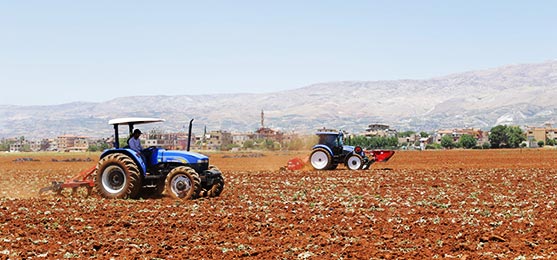
The Land Preparation Procedure outlines the requirements when preparing a land for farming. Only after dividing the land into plots and sectors, the Farm Operations Manager makes sure that the land is cleared, cleaned, plowed, leveled, drains are placed, pipelines for drip irrigation are erected, and sanitary facility is constructed and that the area is fenced when applicable.
Site Risk Assessment

The results of the assessment are used to determine whether the site is put into crop production. Risks identified during assessment are ranked as low or high risks and corrective actions are taken accordingly. When the need arises, records are maintained to ensure that effective control measures are in place. A risk assessment is also present to identify all potential risks that might face the production process.
The results of the assessment are used to determine whether the site is put into crop production. Risks identified during assessment are ranked as low or high risks and corrective actions are taken accordingly. When the need arises, records are maintained to ensure that effective control measures are in place. A risk assessment is also present to identify all potential risks that might face the production process.
Crop Rotation

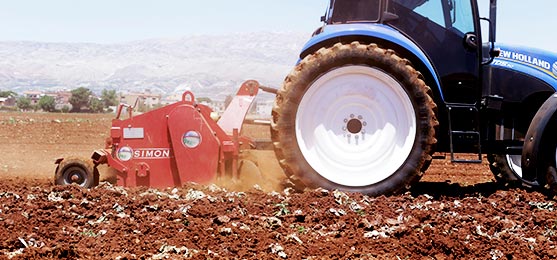
Within the Crop Rotation Procedure, it is recommended to regularly change the type of crops grown in the farmlands since different crops have different nutrients requirements. This will reduce the risk of draining the soil of specific nutrients and also reduce the incidence of pests and diseases.
Within the Crop Rotation Procedure, it is recommended to regularly change the type of crops grown in the farmlands since different crops have different nutrients requirements. This will reduce the risk of draining the soil of specific nutrients and also reduce the incidence of pests and diseases.
Harvesting

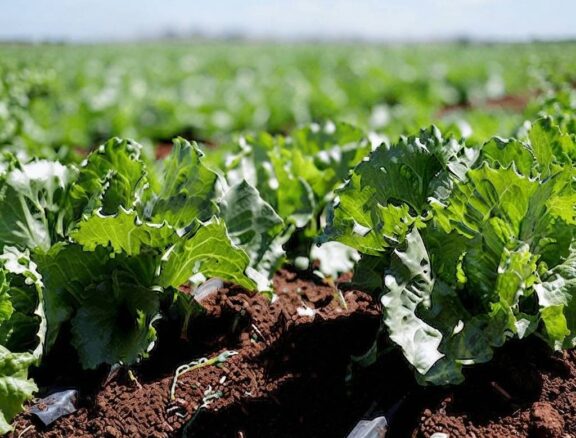
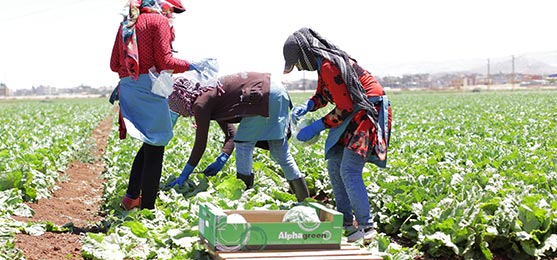
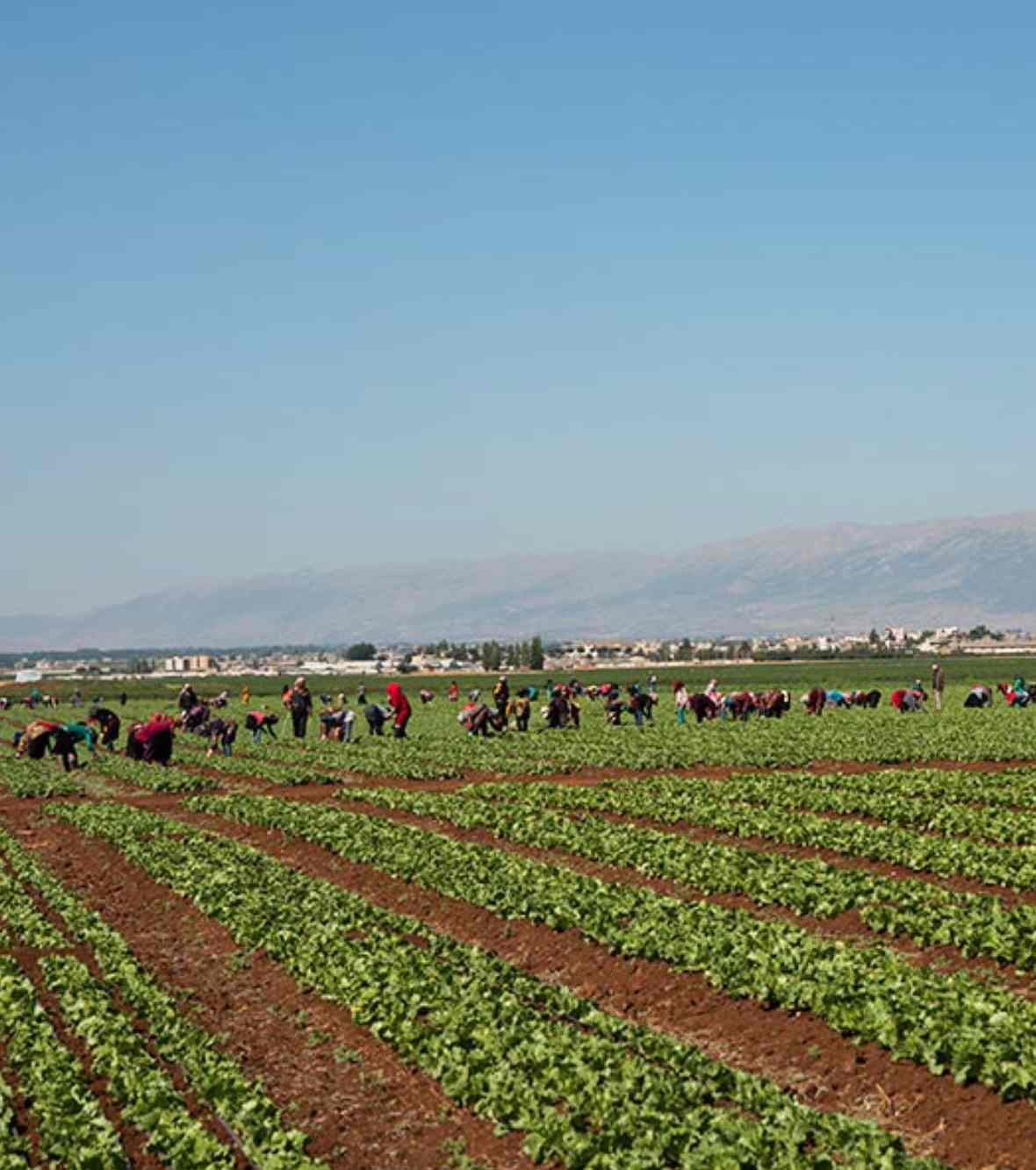
Prior to each harvest, a pre-harvest risk assessment is held to make sure that the harvested area is clean and ready and that the harvested lettuces are in good condition in terms of color, odor, shape, and weight. During harvesting phase, the lettuce is handpicked, packed, and placed into clean cartons to be transported to Alphagreen fridges. All workers involved in the harvesting process are trained on personal and general hygiene requirements.
Prior to each harvest, a pre-harvest risk assessment is held to make sure that the harvested area is clean and ready and that the harvested lettuces are in good condition in terms of color, odor, shape, and weight. During harvesting phase, the lettuce is handpicked, packed, and placed into clean cartons to be transported to Alphagreen fridges. All workers involved in the harvesting process are trained on personal and general hygiene requirements.
Personal Hygiene Training

During all these procedures, neither cartons nor crates nor packing bags touch the soil, and pallets are used in order to prevent the lettuce containers from touching the soil. If bits of packaging material remain in the field, they will get collected and presented for recycling.
During all these procedures, neither cartons nor crates nor packing bags touch the soil, and pallets are used in order to prevent the lettuce containers from touching the soil. If bits of packaging material remain in the field, they will get collected and presented for recycling.
Hand Washing

Whether it is at the farm production level (on-farm transport) or at dispatch (in the collection area), all those in charge of transporting fresh produce must make sure that the hygiene requirements are met before loading the produce onto the trucks or other means of transportation. Hand washing procedure is extremely strict for workers must clean their hands thoroughly before entering the food operation area and gloves must be used for handling harvested products. Hands should be washed prior to putting on gloves and post to changing them. At each production stage of every single procedure, hygiene conditions must be well-observed.

Whether it is at the farm production level (on-farm transport) or at dispatch (in the collection area), all those in charge of transporting fresh produce must make sure that the hygiene requirements are met before loading the produce onto the trucks or other means of transportation. Hand washing procedure is extremely strict for workers must clean their hands thoroughly before entering the food operation area and gloves must be used for handling harvested products. Hands should be washed prior to putting on gloves and post to changing them. At each production stage of every single procedure, hygiene conditions must be well-observed.
lettuceart-08From Seed to Salad, We Care

Environmental Care
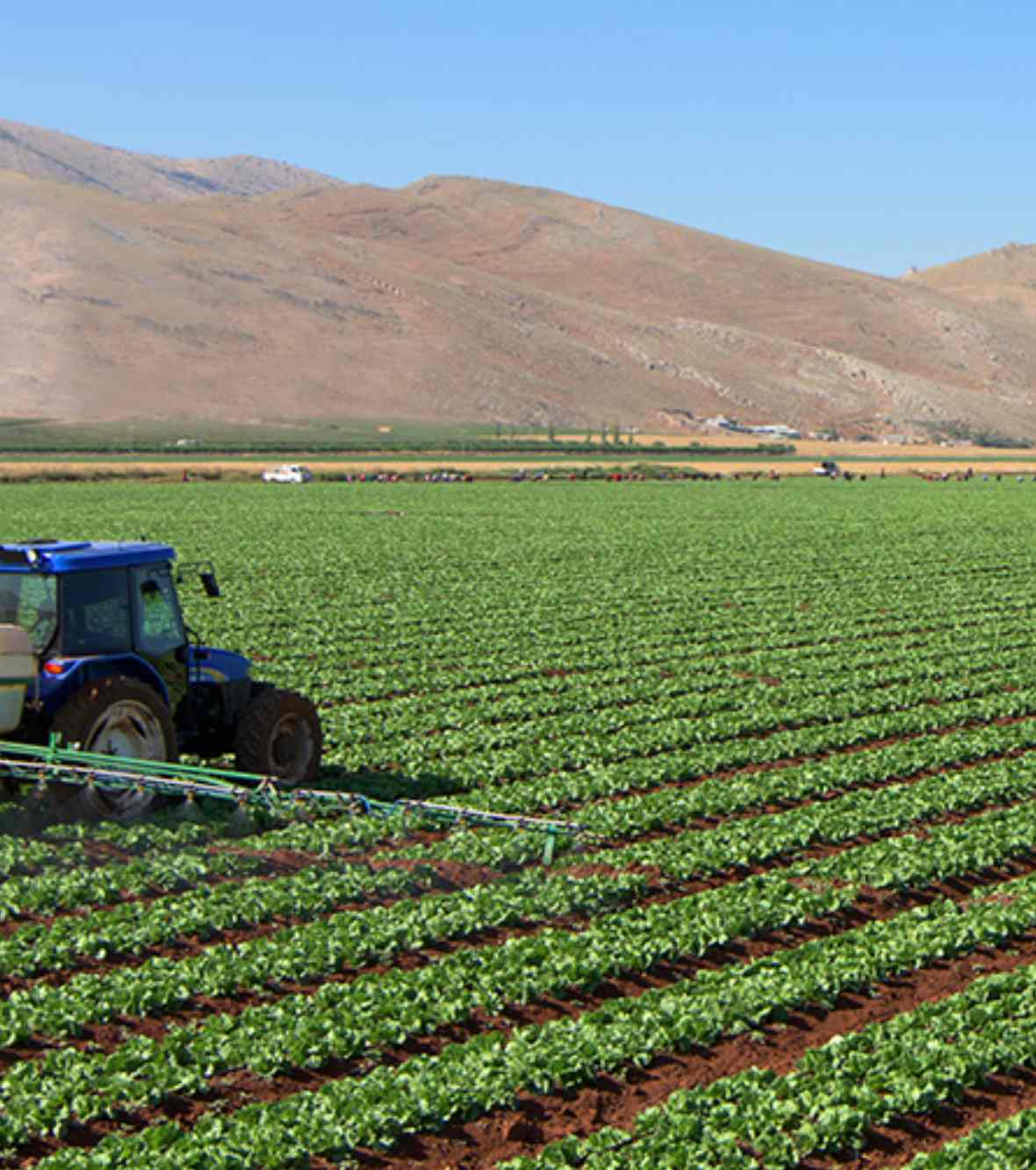
Alphagreen stands out from its peers by caring about the environment through the development of delicate ecosystems and the implementation of Global GAP standards.

Alphagreen has 2 production sites:

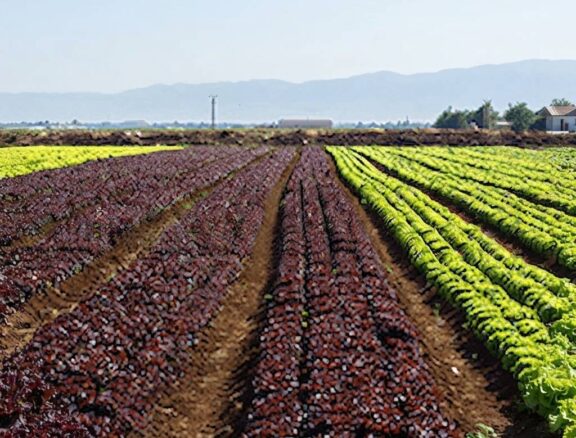
Bekaa Valley

Summer season production in the fertile Bekaa Valley.

Southern Coastal Region

Winter season production in the coastal areas of southern Lebanon.

Production
lettuceart-08Our standards

Quality and Safety Commitments

Agriculture Icon Editable Expanded
Well-Trained Workers

Workers participating in the production process are well trained and follow strict hygiene rules.

Safe Irrigation Water

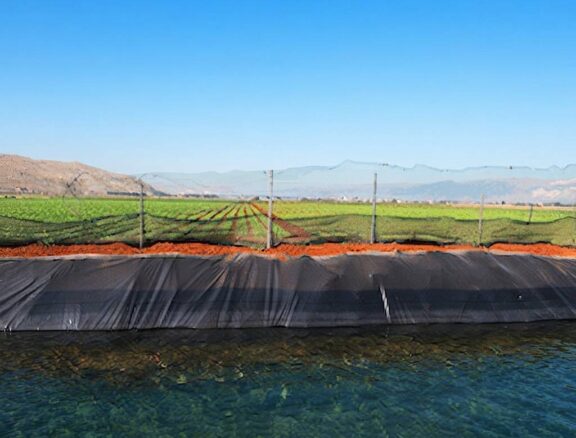
The water used for irrigation is sampled regularly for microbiological and chemical testing.

Regular Laboratory Testing

Lettuce samples are regularly sent to an accredited laboratory in Europe to test the MRL.

Agriculture Icon Editable Expanded
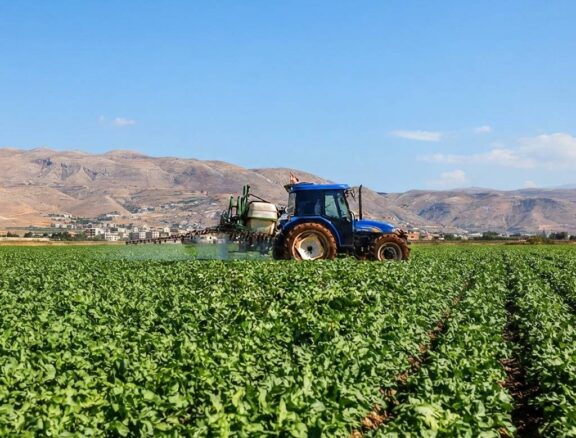
Authorized Pesticides

All pesticides used are authorized for lettuce.

lettuceart-08Expertise and Care at Every Stage of Production

A Team of Trained & Professional Workers
Alphagreen factory is in state of non-stop production all year round.

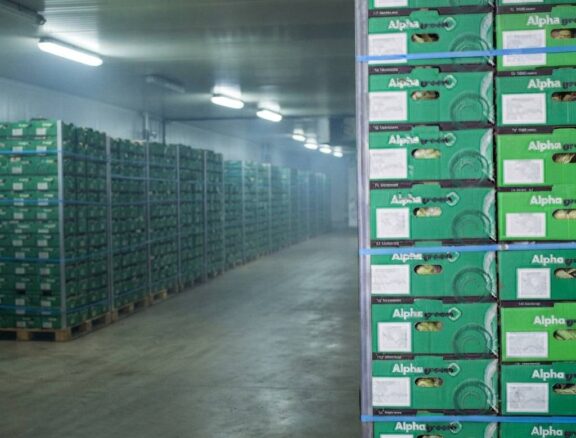
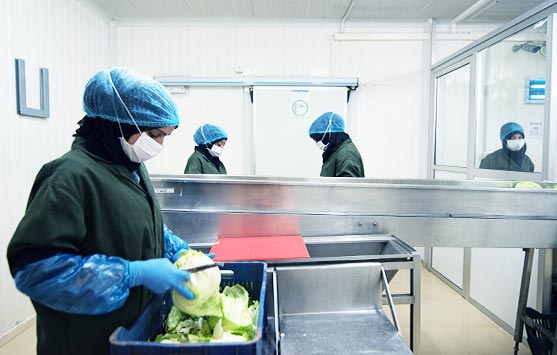
Vegetables are prepared, shredded, washed and disinfected, rinsed, sorted, and vacuum packed. The product is storedin a cold room with a temperature varying from 1 to 4˚C. No preservatives are used. Delivered vegetables are thus extremely fresh and crispy.

Production
lettuceart-08Our Standards

Quality and Safety Commitments

Agriculture Icon Editable Expanded
Trained Professionals

A skilled team continuously monitors every stage of production.

Water & Chlorine Control

Chlorine levels, residues, and water quality are regularly monitored.

Agriculture Icon Editable Expanded
Strict Hygiene Standards

Workers’ hygiene is continuously checked to ensure safe and clean production.

lettuceart-08Fresh Distribution

Freshness All the Way to You
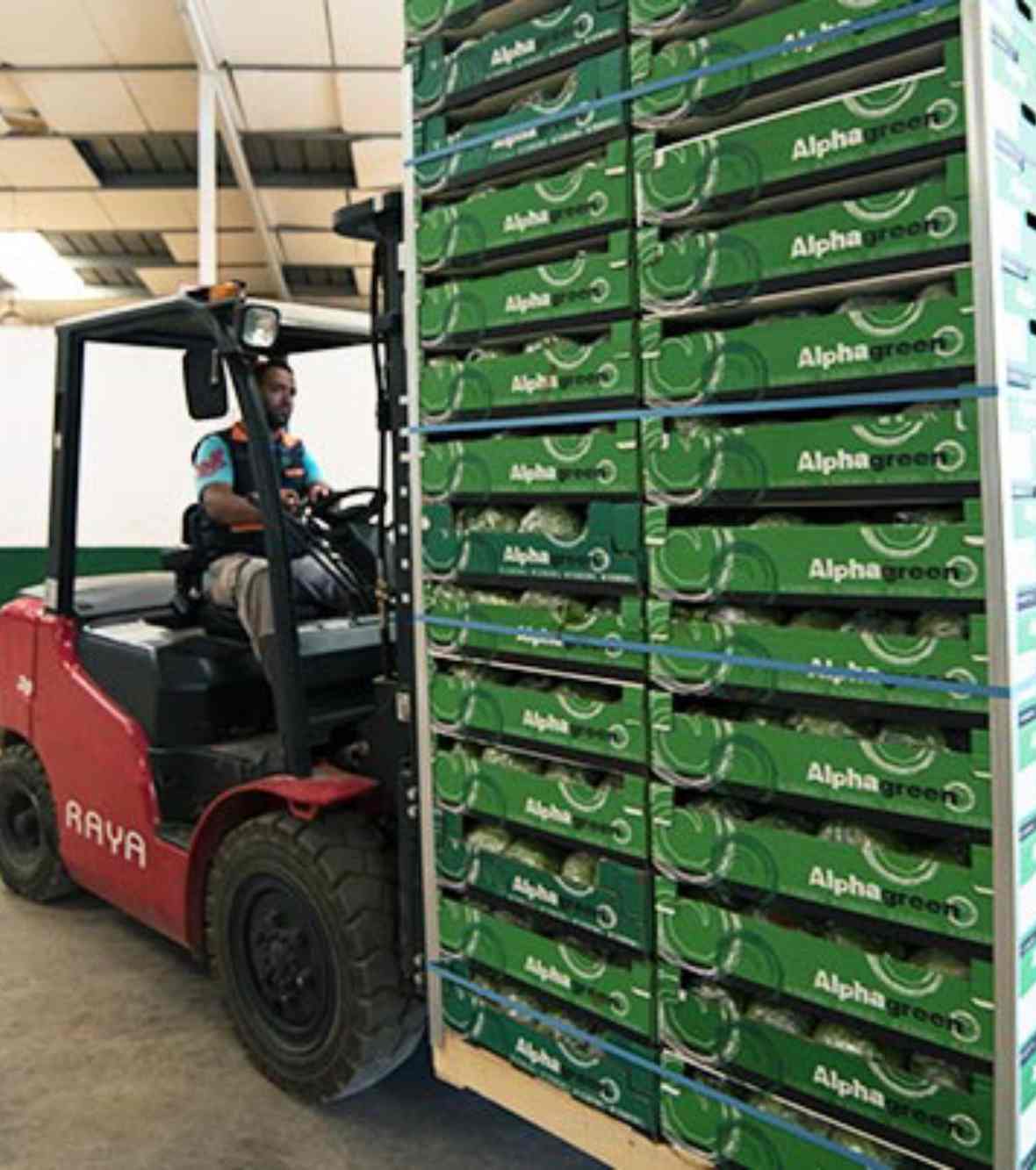
The distribution of Raw material to the local market takes place in Alphagreen’s branch in Choueifat whereas all ready to-eat products are delivered directly from Bekaa.
Fresh products are sent from the farms directly to Choueifat and distributed to the local market in clean refrigerated trucks, where the temperature varies between a minimum of 1 and a maximum of 4˚C.
Vegetables produced in our factory in a ready-to-eat format are distributed daily directly from our factory to our customers’ front with the same practices as our raw material to ensure fresh and high-quality produce.
As for the export process, it is performed either by air or by sea through refrigerated containers, or by land through refrigerated trucks.

Production
Cart (0 items)